
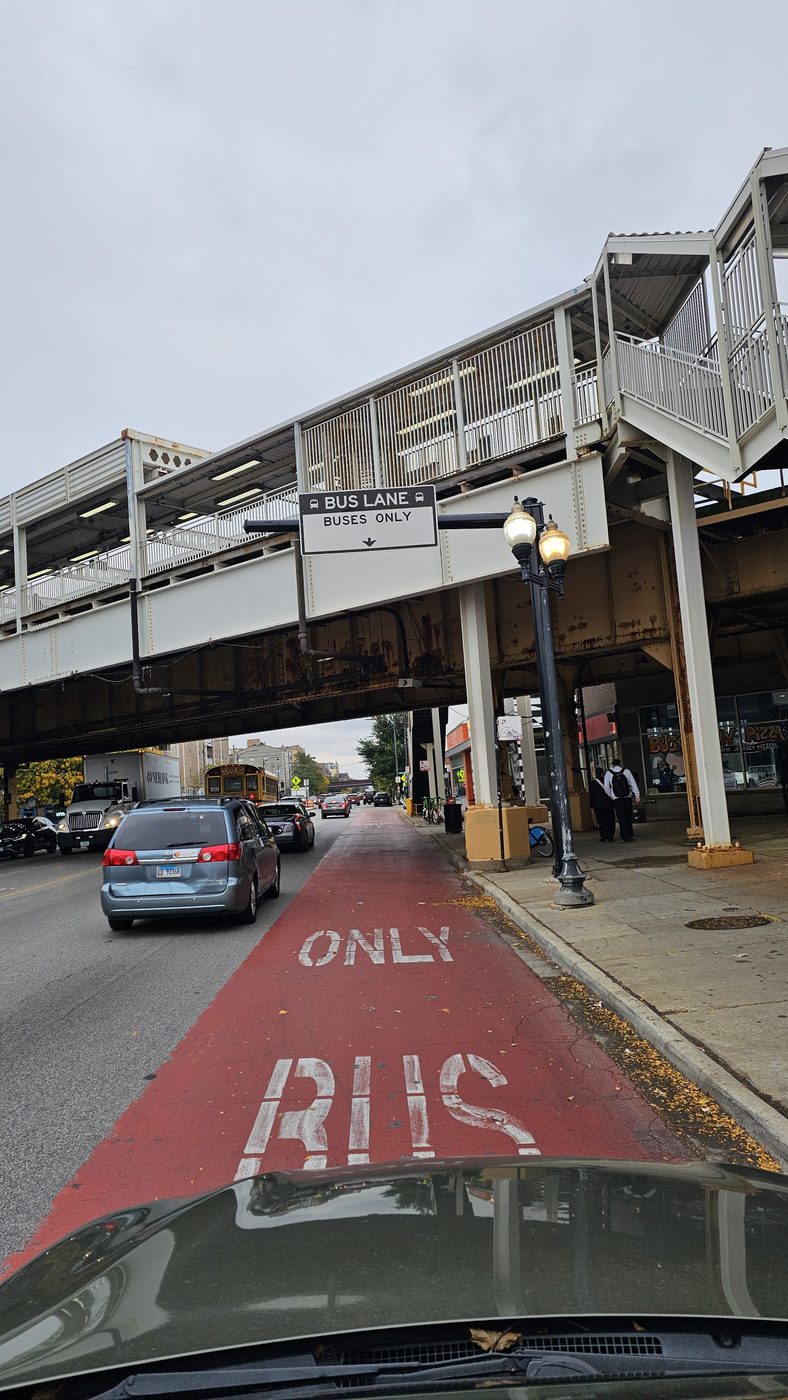
Chicago's Smart Streets cameras, which ticket drivers who block bus and bike lanes, have issued nearly $4.5 million in fines since the program launched downtown in November 2024, according to city data presented to a City Council committee on Sept. 15 and reported by WTTW News. The City Council took up a measure to make the program permanent and expand it citywide on Oct. 14.
The vote
The Council's Pedestrian and Traffic Safety Committee approved the measure unanimously on Oct. 9, WTTW reported. Committee members said data shows the pilot should not be allowed to expire in December. Officials said footage captured by the cameras would not be used for any other purpose or shared with federal agencies.
At the Oct. 14 Council meeting, the ordinance was moved for passage and no objection was heard, according to the meeting record.
The money
The city has banked approximately $2.6 million of the fines issued, according to records cited by WTTW. Axios Chicago reported that as of May 2026 the city had issued 16,802 citations for illegal bus or bike lane parking, and that a Tribune analysis found vehicles linked to Amazon, FedEx or UPS paid $460,000 of the fines.
Sean Wiedel, a deputy commissioner at the Chicago Department of Transportation, said commercial vehicles were among the most consistent violators and that delivery companies often treat the tickets as an unavoidable cost of doing business, WTTW reported.
The cameras issue citations for seven violations. Blocking a bike lane carries a $250 fine, obstructing a bus lane $90, and parking in a loading zone $140, according to city records cited by WTTW. Axios reported that first offenders receive a warning.
The cameras
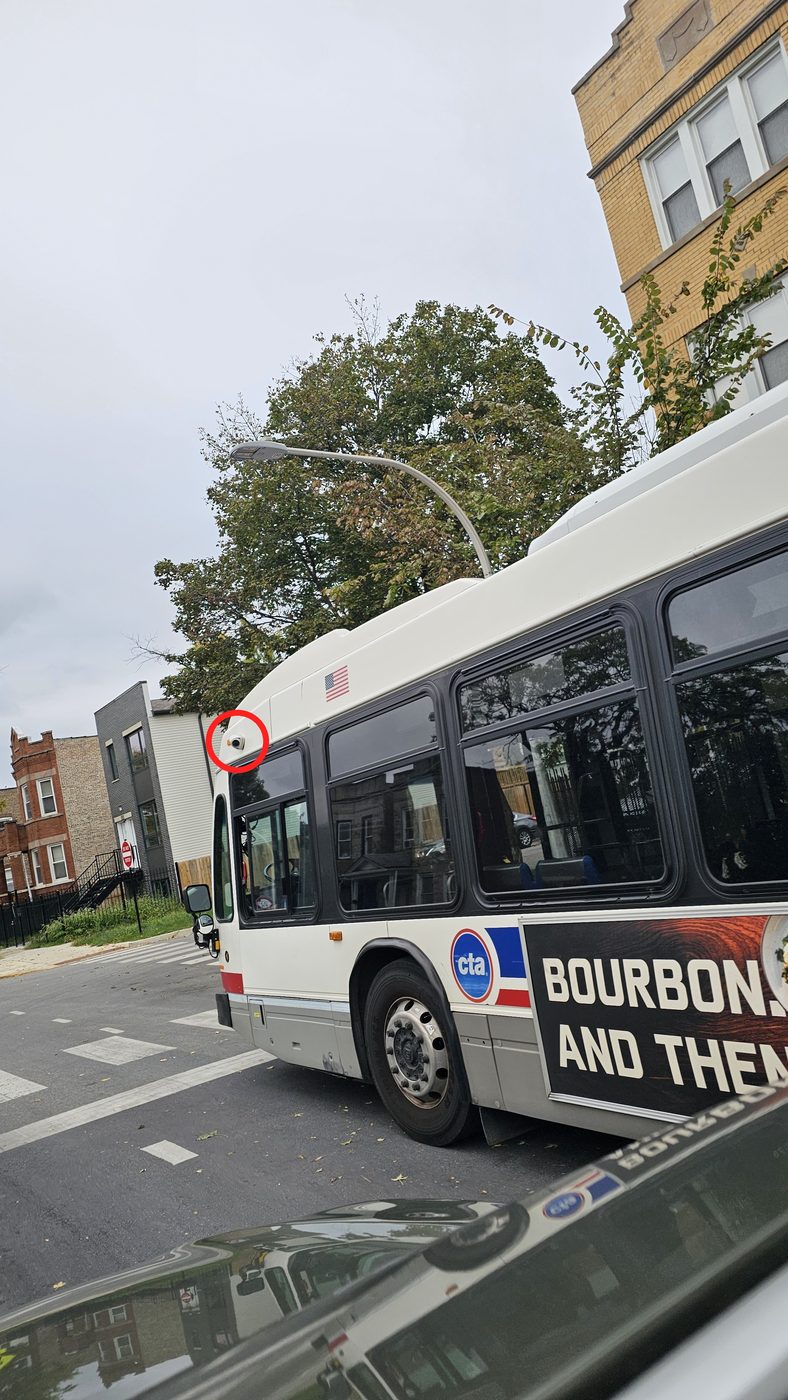
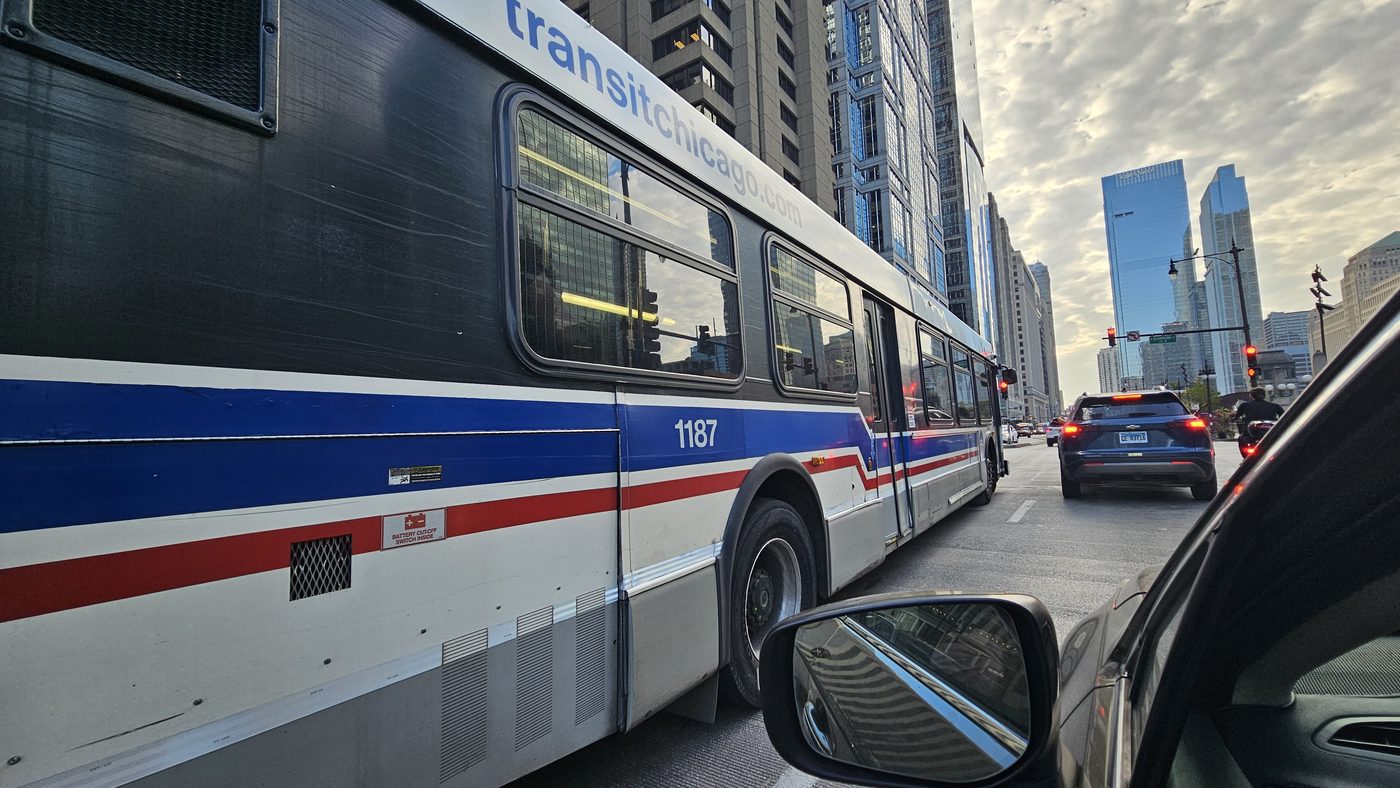
Eight city vehicles carry license plate readers and cameras, and six CTA buses on the No. 20, No. 36 and No. 66 routes have cameras, officials told WTTW. More than 50 CTA buses are set to get them, said Molly Poppe, the CTA's chief planning and innovation officer. The ordinance lets the CTA add cameras to as many as 100 buses, the Chicago Sun-Times reported.
The city's 2026 spending plan expanded the pilot beyond downtown to an area bounded by Irving Park Road, Ashland Avenue, Archer Avenue and 26th Street, and Lake Michigan, WTTW reported. Under the new ordinance the program would grow in phases and cover the entire city by 2028.
What the city expects
If the program expands next year, the city expects 207,000 violations and $9.4 million in additional gross revenue, the Sun-Times reported. Axios reported the city expects to net $6.1 million in 2027, and that the full rollout will cost $7.4 million by December 2028.
Ald. Daniel La Spata (1st), who chairs the committee, told Axios the program is better for compliance than for revenue, noting that 84 percent of drivers who received a warning never got a ticket and 64 percent of those with a first ticket never got a second. The Sun-Times reported slightly different figures from the same hearing, 82 percent and 62 percent.
At the Sept. 15 committee hearing, Ald. Bennett Lawson (44th) called for "more automated enforcement on everything." He said: "This is a really key tool for safety (and) for our budget, not to be naive," according to WTTW.
Ald. Andre Vasquez (40th), the ordinance's sponsor, said the idea began in 2022 after several children were struck and killed by drivers, the Sun-Times reported. Ald. Brian Hopkins and Ald. Jason Ervin urged the city to give the public clear notice before stepped up enforcement, Axios reported.
Our question
With camera buses and vehicles headed across the city, should Chicago expand automated tickets citywide? Tell us what you think on TikTok, YouTube or Instagram, or write to contact@reofact.com.
Photos and video: ReoFact.